
English Language Studies
Understand language. Communicate with purpose. Lead with knowledge and creativity. At LCIC, English Language Studies students develop strong skills in language, communication, culture, and applied English through an academic environment that values innovation, technology, and global readiness. The program prepares students to become effective communicators, critical thinkers, and future professionals in education, media, business, research, and other language-related fields. Through interactive learning, academic training, and practical application, students gain the competencies needed to succeed in a rapidly changing global environment.

Program Overview
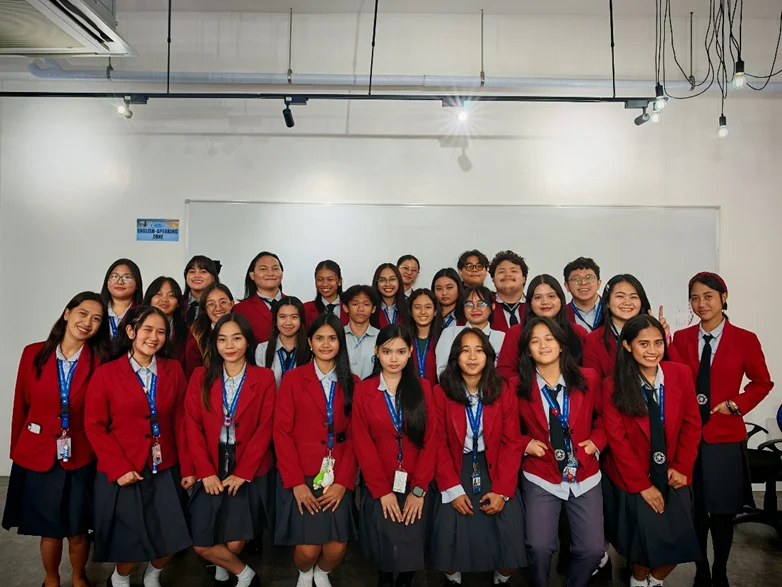
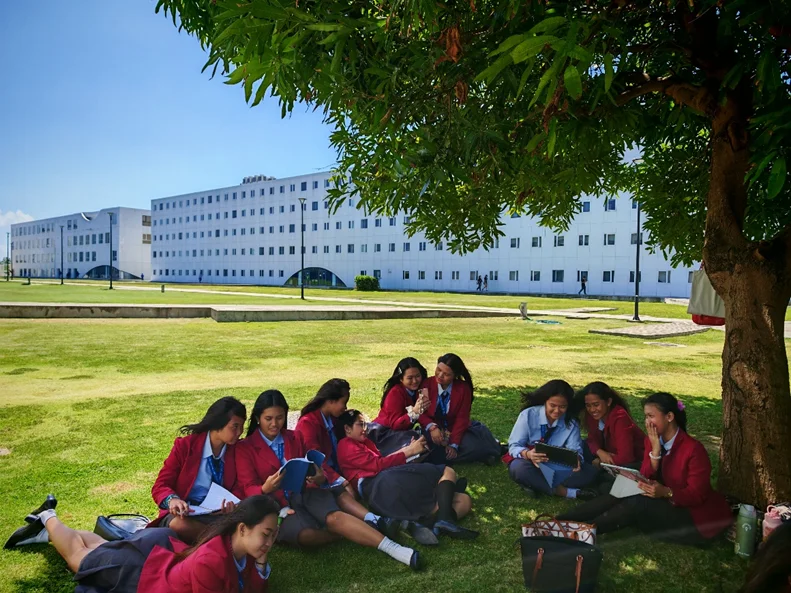
The Bachelor of Arts in English Language Studies (BAELS) program of Lapulapu-Cebu
International College (LCIC) is designed for students who want to build strong expertise
in
the English language and apply it in professional, academic, and global contexts.
The program develops globally competent, ethically grounded, and communication-focused
graduates equipped to analyze, use, and apply English across a wide range of settings.
Its
curriculum integrates language structure, communication, linguistics, literature,
culture,
research, and professional practice, giving students a balanced foundation of knowledge,
skills, and values.
The program integrates technology-enhanced learning and prepares students for global
communication contexts. Students develop a deep understanding of how English functions
in
academic, professional, and intercultural environments. The program also supports the
development of practical skills in writing, speaking, research, presentation, digital
communication, and language analysis. With four semesters of foreign language study and
opportunities for students to independently pursue external certifications such as TESOL
from recognized providers, the program prepares graduates for diverse local and
international opportunities.
Program Outcomes
-
 PO 1
PO 1Discuss current developments in English language studies, applied linguistics, and English across the professions within academic and professional contexts.
-
PO 2
Communicate effectively in English and Filipino across oral and written forms for academic, professional, and civic purposes.
-
PO 3
Collaborate effectively in multidisciplinary and multicultural teams to accomplish academic and professional tasks.
-
PO 4
Demonstrate professional, social, and ethical responsibility in language-related work.
-
PO 5
Analyze Filipino historical and cultural heritage through language and humanistic inquiry.
-
PO 6
Analyze the English language system, including phonology, morphology, syntax, semantics, and discourse, in contemporary communication.
-
PO 7
Produce fluent, accurate, and contextually appropriate English communication across oral, written, and digital modes in academic and professional settings.
-
PO 8
Develop and evaluat¬e communication tasks, materials, and outputs using appropriate linguistic frameworks and technology-mediated approaches.
-
PO 9
Conduct language research and produce scholarly and creative written work using insights from stylistics, discourse analysis, and applied linguistics.
-
PO 10
Apply English language expertise in professional, organizational, and community settings to address communication needs and support development initiatives.
-
PO 11
Evaluate how digital technologies shape language use, communication, and meaning-making in academic, professional, and public environments.
-
PO 12
Demonstrate functional communication skills in English and at least one foreign language, applying intercultural awareness in global and professional contexts.
Career Opportunities
BAELS graduates can pursue careers in a wide range of English-related and communication-focused fields.
Education and Training
- • English Language Instructor
- • Academic Support or Writing Center Tutor
- • Curriculum or Instructional Materials Assistant
- • Corporate Language Trainer
Media, Writing, and Content
- • Content Writer or Copywriter
- • Editor or Proofreader
- • Social Media Content Specialist
- • Scriptwriter or Communication Assistant
Business and Professional Communication
- • Corporate Communications Staff
- • Public Relations Assistant
- • Human Resources Communication Officer
- • Customer Relations or Client Support Specialist
Research and Language Services
- • Research Assistant
- • Language Program Coordinator
- • Assessment and Testing Assistant
- • Translation or Localization Support Staff
Government, NGOs, and International Organizations
- • Program Communication Associate
- • Documentation and Reports Assistant
- • Community Outreach Communication Staff
- • Project Support Staff in Education or Development Programs
Industries Where Graduates Are Employed
BAELS graduates find opportunities in both private and public sectors, locally and internationally, including:
Educational institutions and language centers
Business process outsourcing and customer support industries
Media, publishing, and digital content companies
Corporate offices and professional communication departments
Research institutions and policy organizations
Government agencies and non-government organizations
Training centers and international education environments
Entrepreneurial ventures involving communication, tutoring, editing, and digital services
BAELS Facilities
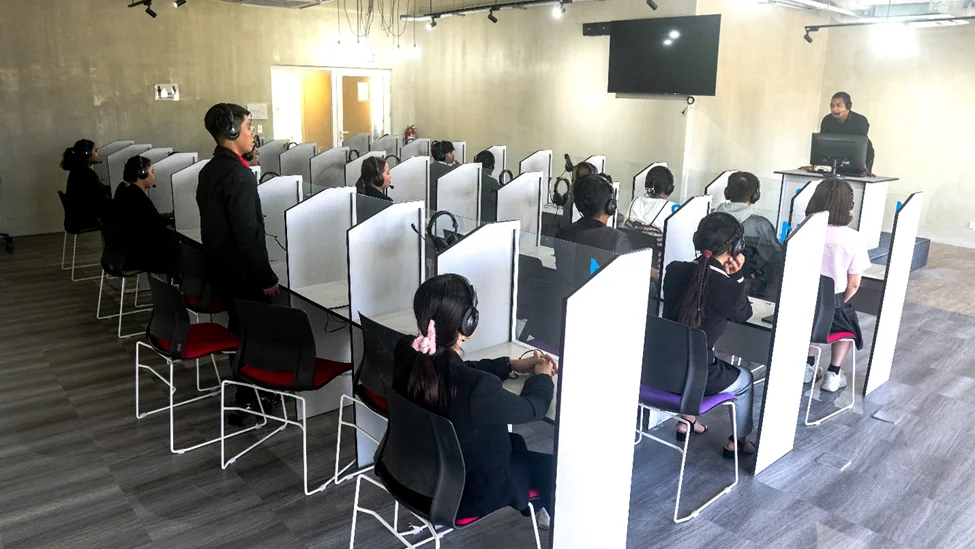
Speech and Communication Room
The Speech and Communication Room provides students with a space to practice oral presentations, public speaking, group discussion, and performance-based communication activities. It supports the development of confidence, clarity, pronunciation, and audience awareness.

Computer Laboratory
The Computer Laboratory gives BAELS students access to a technology-enabled learning environment for writing, editing, presentation design, digital communication, online research, and language-related software.
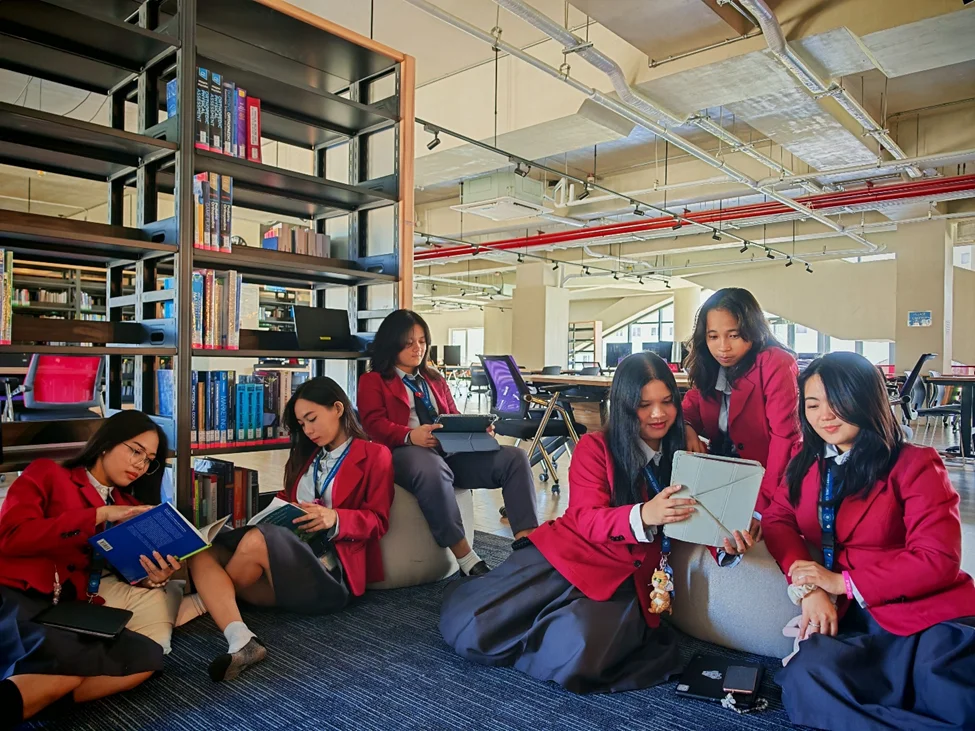
Library
The library provides students with access to books, journals, reference materials, and research resources related to language, literature, communication, linguistics, and education.
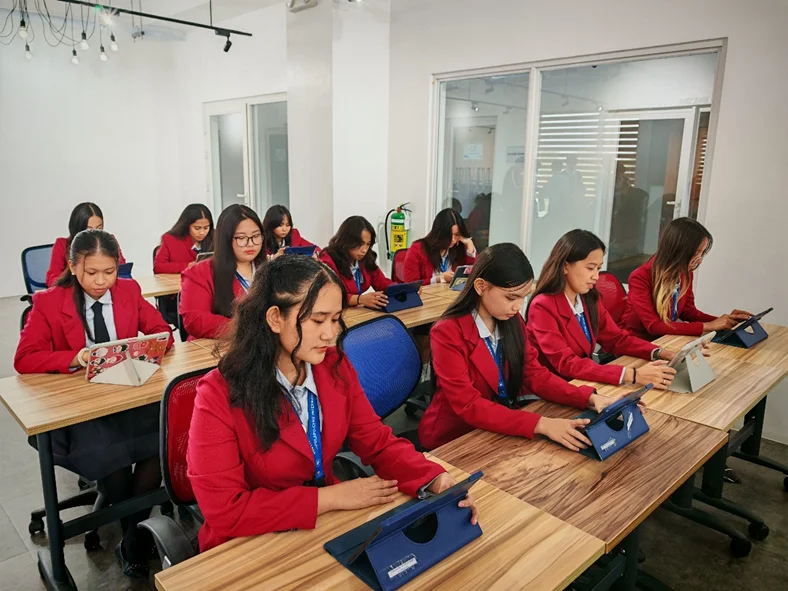
Smart Classrooms
BAELS students learn in classrooms designed to support interactive and technology-assisted instruction, including presentations, collaborative tasks, and multimedia learning activities.
Optional TESOL Certification Pathway

Expand your global opportunities through an optional TESOL certification pathway supported by the institutional collaboration between LCIC and Arizona State University.
Through this collaboration, BAELS students may choose to independently pursue TESOL certification offered by Arizona State University, gaining exposure to internationally recognized approaches in English language teaching, classroom practice, and global communication.
This opportunity is designed for students who are interested in teaching English in local and international contexts, as well as those who want to strengthen their instructional and professional communication skills.
The TESOL certification is not part of the BAELS degree curriculum and is not required for graduation. Participation is voluntary and student-initiated.
All application, enrollment, and certification processes are completed directly between the student and Arizona State University.
This pathway enhances the BAELS experience by providing access to globally relevant training while maintaining the academic integrity and structure of the LCIC degree program.
Faculty

Ms. Rhea Christina U. Rabin, LPT, MAEd
Department Chair

Mr. John Dexter M. Megio, LPT, M.Ed
Instructor